
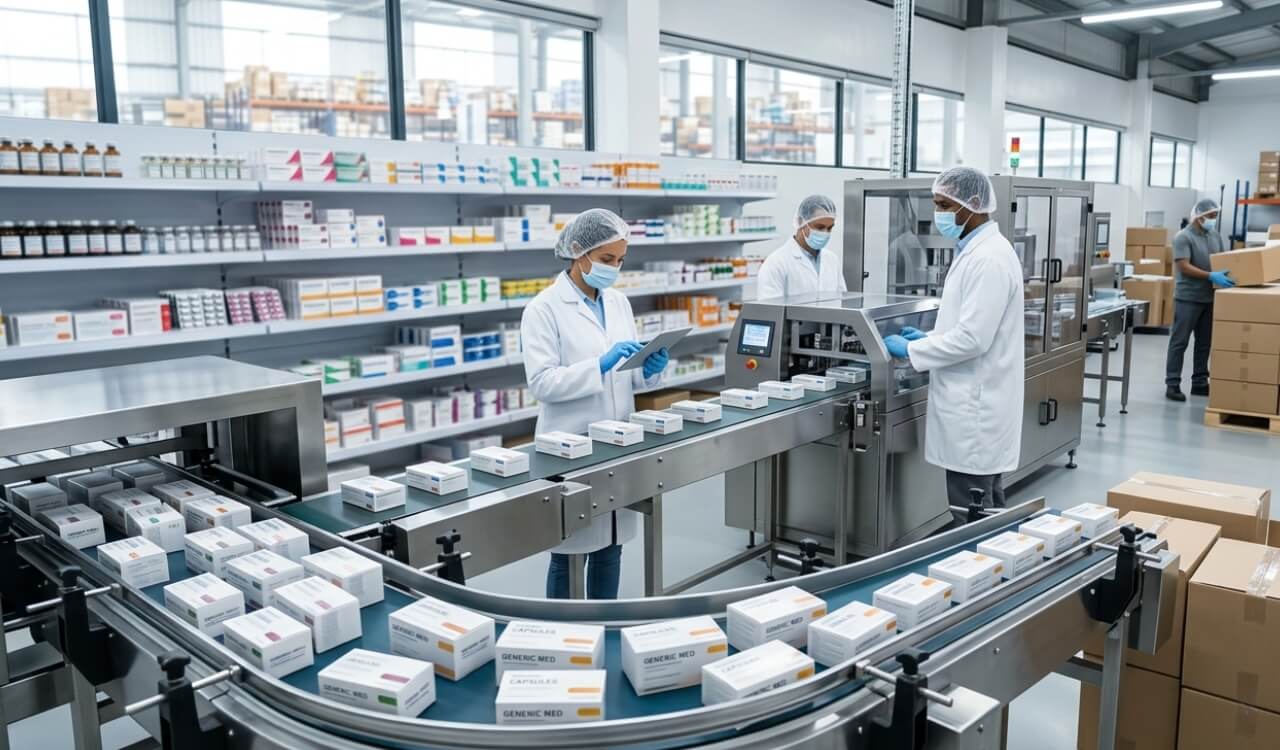
Access to affordable healthcare remains one of the most important concerns for patients and healthcare providers worldwide. As the cost of branded medicines continues to rise, generic medicines have become an essential solution for improving treatment accessibility. Today, many pharma manufacturers play a crucial role in producing high-quality generic drugs that deliver the same therapeutic benefits as branded medications while remaining significantly more affordable. These medicines allow healthcare systems, hospitals, and pharmacies to provide essential treatments without placing unnecessary financial pressure on patients.
Understanding how generic medicines work and why they cost less can help patients, distributors, and healthcare professionals make informed decisions when choosing pharmaceutical products.
What Are Generic Medicines?
Generic medicines are pharmaceutical drugs that contain the same active ingredients, dosage form, strength, and intended use as branded medicines. They are developed after the patent protection of the original branded drug expires. Once the patent expires, other manufacturers may produce and sell the medicine under the same formulation.
Despite their lower price, generic medicines must meet the same regulatory standards for safety, quality, and effectiveness as branded drugs. Health authorities and regulatory agencies carefully evaluate these medicines to ensure they perform the same way in the body as their branded counterparts.
Patients often assume that a lower price means lower quality, but this is not the case. Generic medicines are tested for bioequivalence, meaning they must work in the same manner and provide the same clinical benefits as the original medicine.
Why Generic Medicines Are More Affordable
One of the main reasons generic medicines are cheaper is that manufacturers do not have to invest heavily in early stage drug discovery and development. The original pharmaceutical company typically spends years conducting research, clinical trials, and regulatory approvals to bring a new drug to market. These costs are often reflected in the high price of branded medicines.
When patents expire, other pharmaceutical drug manufacturers can produce the same medicine without repeating the entire research process. Because they do not bear the initial research costs, generic drug producers can offer the medicine at a much lower price.
Another factor that contributes to affordability is competition. Once multiple companies begin producing a generic medicine, the increased competition naturally reduces prices in the market. This allows hospitals, pharmacies, and healthcare distributors to obtain essential medicines at more competitive rates.
The Role of Large-Scale Manufacturing
India has become one of the global leaders in generic medicine production. The country has a strong pharmaceutical manufacturing infrastructure that allows companies to produce medicines at scale while maintaining strict quality standards.
Large-scale production significantly reduces the cost per unit of medicine. Modern manufacturing facilities operate with advanced equipment, quality control systems, and efficient production lines that ensure consistency and safety. These facilities follow international regulatory standards such as WHO GMP and other global guidelines.
By producing medicines in high volumes, pharmaceutical companies can supply healthcare markets around the world while keeping prices accessible for patients and healthcare providers.
Quality Standards Behind Generic Medicines
Even though generic medicines are more affordable, they must still comply with strict regulatory guidelines. Before a generic medicine is approved for sale, regulatory authorities verify that it meets all safety, quality, and performance requirements.
Manufacturers must demonstrate that their product is bioequivalent to the branded drug. This means the medicine must release the same active ingredient in the same way and provide the same therapeutic effect.
Quality control processes are applied throughout the manufacturing cycle. From sourcing raw materials to packaging finished medicines, every step is carefully monitored to ensure consistency and compliance with international pharmaceutical regulations.
Reliable pharmaceutical companies also invest heavily in laboratory testing, regulatory documentation, and quality audits to maintain global trust in their products.
India’s Role in the Global Generic Medicine Market
India is widely known as one of the world’s largest producers of generic medicines. The country supplies pharmaceutical products to more than 200 countries and plays an important role in improving healthcare accessibility across developing regions.
Many hospitals, pharmacies, and healthcare distributors depend on pharmaceutical exporters in India for a consistent supply of high-quality generic drugs. These exporters help bridge the gap between pharmaceutical production and healthcare providers in global markets.
India’s pharmaceutical sector has developed a strong reputation for combining cost efficiency with strict quality compliance. This balance has made Indian pharmaceutical companies preferred partners for many international healthcare systems.
The Importance of Reliable Pharmaceutical Supply Chains
A strong pharmaceutical supply chain is essential to ensure that medicines reach patients on time. Pharmaceutical manufacturers work closely with distributors, healthcare institutions, and regulatory bodies to maintain a stable supply of medicines.
A dependable Pharmaceutical Supplier plays a key role in managing logistics, regulatory approvals, and product distribution. By maintaining proper storage conditions and transportation standards, suppliers help ensure that medicines remain safe and effective when they reach hospitals and pharmacies.
Reliable suppliers also provide consistent inventory management, allowing healthcare systems to maintain adequate stock levels and prevent medicine shortages.
Expanding Global Access Through Generic Medicines
Generic medicines have transformed healthcare accessibility around the world. By reducing treatment costs, these medicines allow governments, hospitals, and healthcare organizations to expand their treatment programs and reach more patients.
For chronic diseases such as diabetes, hypertension, and cardiovascular conditions, long-term medication can become expensive for many patients. Generic medicines help make these treatments more affordable, enabling patients to follow their prescribed therapies without financial stress.
Healthcare organizations and distributors often collaborate with generic medicine suppliers in India to obtain a wide range of pharmaceutical products that meet international standards while remaining cost-effective.
As global healthcare demands continue to grow, the role of generic medicines will become even more important in supporting public health systems
Frequently Asked Questions (FAQs)
1. Are generic medicines as effective as branded medicines?
Yes. Generic medicines contain the same active ingredients and must meet the same regulatory standards as branded drugs. They provide the same therapeutic benefits and safety when used as prescribed.
2. Why are generic medicines cheaper than branded drugs?
Generic medicines are more affordable because manufacturers do not have to invest in the initial research and development that was required to create the original drug.
3. Are generic medicines safe to use?
Yes. Regulatory authorities carefully evaluate generic medicines before approval to ensure they meet strict quality, safety, and effectiveness standards.
4. Why is India a major supplier of generic medicines?
India has an advanced pharmaceutical manufacturing infrastructure, experienced drug manufacturers, and cost-efficient production systems that allow the country to supply medicines globally.
5. How do pharmaceutical suppliers maintain medicine quality during distribution?
Pharmaceutical suppliers follow strict storage and transportation guidelines to ensure that medicines remain stable and effective until they reach healthcare providers.
As the global demand for affordable medicines continues to grow, reliable pharmaceutical sourcing becomes increasingly important. Healthcare providers, distributors, and medical institutions depend on trusted pharmaceutical partners that can deliver high-quality products while maintaining regulatory compliance.
Jefferson Pharma India is committed to supporting global healthcare by providing reliable pharmaceutical solutions to international markets. With a strong focus on quality manufacturing, regulatory standards, and efficient distribution networks, the company works closely with global partners to ensure consistent access to essential medicines.
Connect with us and explore high-quality pharmaceutical products with our experienced exporters and suppliers.