
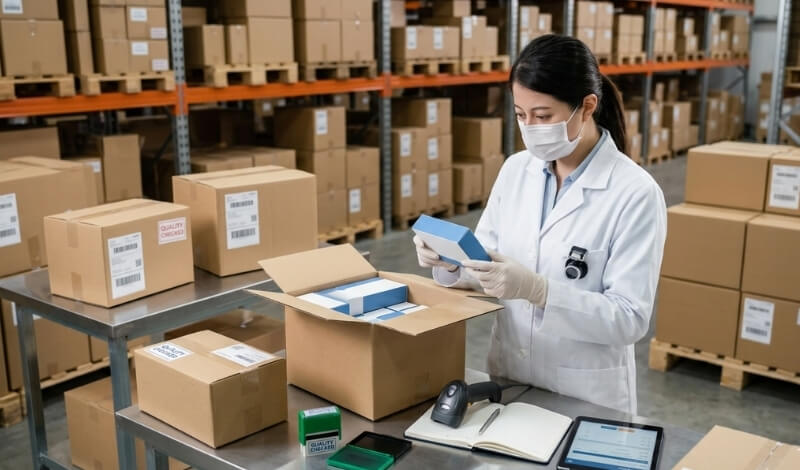
Counterfeit medicines are one of the most serious and underestimated threats in global healthcare today. As international trade in pharmaceuticals continues to grow, so does the risk of fake, substandard, or mislabeled drugs entering the supply chain. These counterfeit products don’t just cause financial loss they can endanger lives, damage reputations, and disrupt healthcare systems.
For importers, distributors, hospitals, and healthcare providers, ensuring the authenticity of medicines is not optional, it’s essential. Whether you’re sourcing in bulk or managing global supply chains, understanding how to identify and avoid counterfeit drugs is critical in today’s interconnected world.
This guide breaks down practical, real-world strategies to help you safeguard your supply chain and make informed decisions when dealing in international pharmaceutical trade.
Understanding the Scale of the Counterfeit Medicine Problem
A Growing Global Concern
The World Health Organization (WHO) estimates that a significant percentage of medicines in low- and middle-income countries may be substandard or falsified. With the expansion of cross-border trade, counterfeit drugs are becoming more sophisticated and harder to detect.
From fake packaging to manipulated batch numbers, counterfeiters are constantly evolving their methods. This makes vigilance and due diligence more important than ever for businesses involved in the medicine industry.
Why Counterfeit Medicines Are Dangerous
Counterfeit medicines can:
- Contain incorrect or harmful ingredients
- Have no active ingredient at all
- Be stored improperly, reducing effectiveness
- Lead to treatment failure or serious health risks
For businesses, the consequences include legal liabilities, loss of trust, and long-term reputational damage.
Key Risk Areas in International Pharmaceutical Trade
Complex Supply Chains
Global pharmaceutical supply chains often involve multiple intermediaries manufacturers, distributors, exporters, and logistics providers. Each additional layer increases the risk of counterfeit products entering the system.
Lack of Verification Processes
Many buyers rely solely on price or availability without verifying supplier credentials. This creates opportunities for counterfeiters to exploit gaps in the procurement process.
Unregulated Markets
Some regions have weaker regulatory oversight, making it easier for fake medicines to circulate. Importers must be especially cautious when sourcing from unfamiliar markets.
How to Identify Counterfeit Medicines
1. Check Packaging and Labeling
Counterfeit products often have subtle differences in packaging:
- Misspelled words or inconsistent fonts
- Poor print quality
- Missing regulatory information
- Incorrect batch numbers or expiry dates
Always compare products with original manufacturer samples whenever possible.
2. Verify the Source
One of the most effective ways to avoid counterfeit medicines is to work only with verified suppliers offering legitimate medical products and services.
Before placing an order:
- Check company registration and licenses
- Request certifications (WHO-GMP, ISO, etc.)
- Review business history and client references
3. Use Serialization and Track-and-Trace Systems
Modern pharmaceutical packaging often includes unique identification codes. These allow buyers to track products throughout the supply chain.
Digital verification tools and blockchain-based systems are becoming increasingly popular for ensuring authenticity.
4. Conduct Laboratory Testing
For high-risk or high-value products, laboratory testing can confirm:
- Active ingredients
- Dosage accuracy
- Product quality
This step adds an extra layer of security, especially for critical medicines.
Best Practices to Avoid Counterfeit Medicines
Partner with Trusted Suppliers
Choosing the right supplier is the foundation of a secure supply chain. Work with companies that have:
- Proven track records
- Transparent operations
- Strong regulatory compliance
Reliable suppliers ensure safe and efficient pharmaceutical delivery across borders.
Implement Strict Procurement Policies
Establish clear internal guidelines for sourcing medicines:
- Avoid deals that seem too good to be true
- Verify every new supplier thoroughly
- Maintain proper documentation for all transactions
Consistency in procurement processes reduces risk significantly.
Audit Your Supply Chain Regularly
Periodic audits help identify vulnerabilities and ensure compliance with quality standards. This includes:
- Supplier audits
- Warehouse inspections
- Documentation reviews
Regular monitoring keeps your supply chain secure and reliable.
Educate Your Team
Your procurement and quality assurance teams should be trained to:
- Recognize signs of counterfeit products
- Follow verification protocols
- Report suspicious activity immediately
Awareness at every level strengthens your defense against counterfeit risks
The Role of Technology in Combating Counterfeit Medicines
Blockchain for Transparency
Blockchain technology creates an immutable record of every transaction, making it nearly impossible to alter data. This improves traceability and builds trust across the supply chain.
AI and Data Analytics
Artificial intelligence can detect patterns and anomalies in supply chains, helping identify potential risks before they escalate.
Mobile Verification Tools
Many pharmaceutical companies now offer apps that allow buyers to scan product codes and verify authenticity instantly.
Regulatory Compliance: A Non-Negotiable Factor
International Standards
Compliance with global standards such as WHO-GMP ensures that medicines meet strict quality and safety requirements.
Documentation and Certification
Always request:
- Certificate of Analysis (COA)
- Product registration documents
- Export licenses
Proper documentation is a strong indicator of a legitimate supplier.
Building Long-Term Trust in Pharma Trade
Avoiding counterfeit medicines is not just about one-time checks, it’s about building a culture of trust, transparency, and accountability.
Long-term partnerships with reputable suppliers help:
- Ensure consistent product quality
- Reduce procurement risks
- Strengthen business credibility
Trust is the backbone of successful international pharmaceutical trade.
Frequently Asked Questions
1. What are counterfeit medicines?
Counterfeit medicines are fake or substandard drugs that may contain incorrect ingredients, improper dosages, or no active ingredients at all.
2. How can I verify a pharmaceutical supplier?
Check certifications, licenses, client reviews, and request official documentation before making a purchase.
3. Are low-priced medicines always counterfeit?
Not necessarily, but extremely low prices can be a red flag. Always verify the source before buying.
4. What technologies help prevent counterfeit drugs?
Blockchain, AI-based tracking, and serialization systems are commonly used to ensure authenticity.
5. Why is supply chain transparency important?
Transparency helps track products at every stage, reducing the risk of counterfeit medicines entering the market.
Counterfeit medicines are a serious global challenge, but they can be effectively managed with the right strategies. By verifying suppliers, leveraging technology, and maintaining strict quality controls, businesses can protect both their operations and the patients they serve.
In an industry where safety and trust are paramount, taking proactive steps is not just good practice, it’s a responsibility.
Protect your business and patients by partnering with a trusted pharmaceutical manufacturer in India that prioritizes quality, compliance, and transparency. Choose a reliable supplier today and ensure every product you deliver meets the highest global standards.