
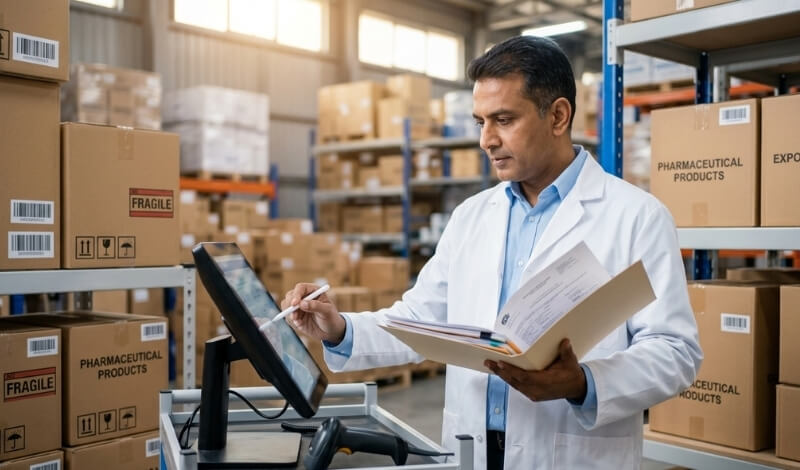
In today’s globalized market, sourcing medicines from international suppliers has become a standard practice for hospitals, clinics, distributors, and healthcare organizations. While this opens the door to cost-effective and diverse product options, it also introduces a critical challenge trust.
Not every pharmaceutical exporter operates with the same level of transparency, compliance, or quality. Choosing the wrong partner can lead to serious consequences, including counterfeit medicines, regulatory issues, financial loss, and most importantly, compromised patient safety.
This guide walks you through how to verify a pharmaceutical export company before making a purchase, helping you make informed, confident decisions backed by expertise and real-world practices.
Why Verification Is Non-Negotiable
The Risks of Skipping Due Diligence
In the fast-moving pharmaceutical industry, it can be tempting to prioritize cost or availability over proper verification. However, this approach often leads to:
- Substandard or counterfeit products
- Delayed shipments and supply chain disruptions
- Legal and compliance issues
- Damage to your business reputation
Verification isn’t just a precaution; it’s a necessity for maintaining safety and reliability in healthcare supply chains.
Step-by-Step Guide to Verifying a Pharmaceutical Export Company
1. Check Legal Credentials and Company Registration
Start with the basics. A legitimate pharmaceutical exporter should have:
- Valid business registration
- GST (or equivalent tax registration)
- Drug export license
Ask for official documentation and cross-check it with relevant government databases where possible.
2. Verify Certifications and Compliance Standards
Certifications are one of the strongest indicators of credibility. Look for:
- WHO-GMP certification
- ISO certifications
- Country-specific regulatory approvals
These certifications confirm that the company follows strict manufacturing and handling protocols, ensuring the quality assurance of pharmaceutical products.
3. Understand Pricing and Payment Terms
While competitive pricing is important, extremely low prices can be a warning sign. Ensure:
- Pricing aligns with market standards
- Payment terms are clear and secure
- There are no hidden costs
Transparency in financial dealings reflects professionalism and trustworthiness.
4. Request Product Documentation
Before placing an order, always request:
- Certificate of Analysis (COA)
- Product datasheets
- Batch numbers and expiry details
These documents help verify the authenticity and quality of the products you’re purchasing.
5. Assess Supply Chain Transparency
A trustworthy exporter should be open about:
- Where the medicines are sourced from
- How they are stored and transported
- The logistics partners they use
Transparency in the supply chain reduces the risk of counterfeit or mishandled products entering your inventory.
6. Check Client Reviews and References
Reputation matters. Look for:
- Client testimonials
- Case studies
- Online reviews
If possible, ask the company for references from existing clients. Speaking directly with other buyers can provide valuable insights into reliability and service quality.
7. Evaluate Communication and Responsiveness
A professional exporter will:
- Respond promptly to inquiries
- Provide clear and detailed information
- Offer guidance on compliance and documentation
Poor communication is often a red flag and can lead to misunderstandings or delays in the future.
8. Conduct a Background Check
Take time to research the company:
- Visit their official website
- Check their LinkedIn presence
- Look for industry affiliations or partnerships
Be cautious if you notice inconsistencies, incomplete information, or generic content that lacks credibility.
9. Request Samples Before Bulk Orders
For large purchases, always request product samples. This allows you to:
- Verify product quality
- Check packaging and labeling
- Ensure compliance with your standards
Testing samples before committing to bulk orders is a practical and effective risk mitigation strategy.
10. Evaluate Product Portfolio and Specialization
A reliable exporter typically offers:
- A wide range of medicines (generics, specialty drugs, etc.)
- Clear product specifications
- Transparent sourcing details
Check whether the company specializes in certain therapeutic areas or provides tailored healthcare solutions for different markets.
Red Flags to Watch Out For
Unrealistic Pricing
If a deal seems too good to be true, it probably is. Counterfeit or substandard products are often sold at significantly lower prices.
Lack of Documentation
A company that hesitates to provide certifications or product details should raise immediate concerns.
Poor Website or Online Presence
While not always definitive, a poorly maintained website with incomplete or generic content can indicate a lack of professionalism.
Pressure to Make Quick Decisions
Reliable exporters understand the importance of due diligence and will not rush you into making a purchase.
The Role of Technology in Verification
Digital Verification Tools
Modern tools allow buyers to:
- Track shipments in real time
- Verify product authenticity through QR codes
- Access digital documentation instantly
Blockchain and Traceability
Blockchain technology is increasingly used to create transparent and tamper-proof supply chains, enhancing trust between buyers and suppliers.
Building Long-Term Partnerships
Verification is not a one-time process, it’s the foundation of a long-term relationship. Working with a trusted exporter helps you:
- Maintain consistent product quality
- Reduce operational risks
- Improve efficiency in procurement
Strong partnerships lead to better outcomes for both businesses and patients.
Frequently Asked Questions
1. Why is it important to verify a pharmaceutical exporter?
Verification ensures that the supplier meets quality, safety, and regulatory standards, reducing the risk of counterfeit or substandard medicines.
2. What certifications should I look for?
Look for WHO-GMP, ISO certifications, and any country-specific regulatory approvals.
3. Can I trust online reviews alone?
Online reviews are helpful but should be combined with direct verification, documentation checks, and client references.
4. How can I ensure product quality before buying in bulk?
Request samples, verify documentation, and conduct laboratory testing if necessary.
5. What are the biggest red flags?
Unrealistic pricing, lack of documentation, poor communication, and incomplete company information.
Verifying a pharmaceutical export company before you buy is one of the most important steps in ensuring safe, reliable, and efficient healthcare delivery. By following a structured approach, checking credentials, reviewing certifications, assessing transparency, and leveraging technology, you can protect your business and your patients.
In an industry where trust is everything, taking the time to verify your supplier is not just smart; it’s essential.
Searching for a reliable partner you can trust? Work with a reputable manufacturer of pharmaceutical products in India that prioritizes quality, compliance, and transparency. Make informed decisions today and secure a safer, more dependable pharmaceutical supply chain.