
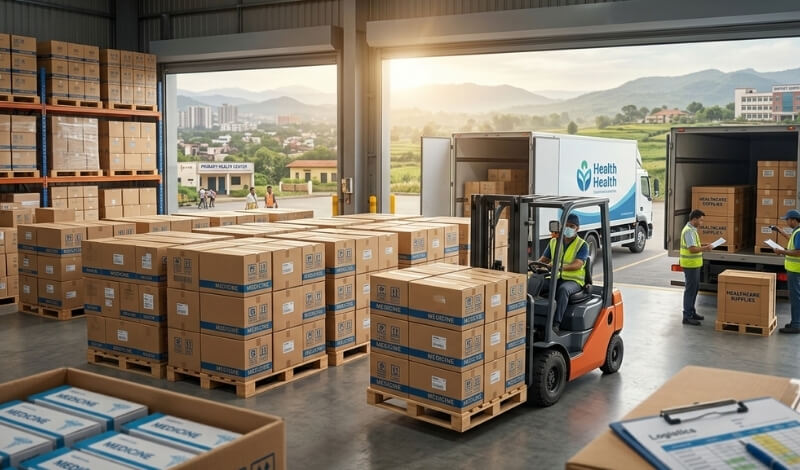
Access to affordable healthcare is one of the biggest challenges healthcare systems face worldwide. In a country as vast and diverse as India, ensuring that essential medicines and medical supplies reach every patient regardless of location or income level requires a strong and reliable public healthcare supply network. This is where government tender supply plays a critical role.
Government tenders help public hospitals, healthcare institutions, and medical programs procure medicines and healthcare products at scale while maintaining affordability and quality. From life-saving drugs to essential medical equipment, tender-based procurement systems allow governments to serve millions of patients efficiently.
For healthcare providers, hospitals, and public agencies, working with trusted suppliers that deliver high-quality pharmaceutical products consistently is essential for maintaining public trust and improving healthcare outcomes.
In this blog, we’ll explore why government tender supply is a cornerstone of affordable healthcare and how it strengthens public health systems across urban and rural communities.
How Government Tenders Help Reduce the Cost of Medicines
One of the primary advantages of government tender procurement is cost efficiency. Governments purchase medicines and healthcare products in large quantities through competitive bidding processes. This encourages suppliers to offer competitive pricing while meeting strict quality standards.
Bulk procurement helps lower:
- Manufacturing costs
- Distribution expenses
- Packaging costs
- Administrative overhead
As a result, government hospitals and healthcare schemes can provide medicines to patients at significantly reduced prices or even free of cost in many cases.
Affordable medicine programs supported by government tenders are especially important for:
- Chronic disease management
- Cancer treatment
- Infectious disease control
- Emergency healthcare services
- Maternal and child healthcare
Without centralized procurement systems, many public healthcare institutions would struggle to maintain consistent medicine availability while staying within budget constraints.
Government tenders also create price transparency in the pharmaceutical supply chain. Competitive procurement discourages inflated pricing and helps ensure taxpayer funds are used responsibly.
Ensuring Equal Access to Healthcare Across Urban and Rural Areas
Healthcare inequality remains a major concern in many regions. Urban hospitals often have better infrastructure and easier access to pharmaceutical supplies, while rural healthcare centers may face shortages and logistical challenges.
Government tender supply systems help bridge this gap by creating structured distribution networks that serve both metropolitan hospitals and remote healthcare facilities.
Reliable pharmaceutical suppliers play a vital role in ensuring that:
- Rural clinics receive essential medicines on time
- Primary health centers maintain stock availability
- Public hospitals can manage patient demand efficiently
- Emergency healthcare services remain operational
Access to affordable medicines should not depend on geography. Government healthcare procurement programs help ensure that patients in smaller towns and underserved communities receive the same level of care as those in larger cities.
This becomes especially important during:
- Disease outbreaks
- Seasonal healthcare surges
- Natural disasters
- Vaccination campaigns
- Public health emergencies
A well-organized tender supply system supports healthcare continuity and prevents medicine shortages that could negatively impact vulnerable populations.
The Role of Bulk Purchasing in Strengthening Public Health Systems
Public healthcare systems rely heavily on efficient resource allocation. Bulk purchasing through government tenders allows healthcare authorities to maximize budgets while expanding healthcare access to larger populations.
When governments purchase medicines in large volumes, they gain several advantages:
- Better negotiation power
- Stable long-term supply agreements
- Reduced procurement delays
- Predictable inventory planning
- Lower operational costs
These efficiencies allow healthcare systems to invest more resources into:
- Hospital infrastructure
- Healthcare workforce expansion
- Medical technology upgrades
- Preventive healthcare programs
- Patient care initiatives
Bulk procurement also helps maintain continuity in treatment programs for chronic illnesses such as:
- Diabetes
- Hypertension
- Tuberculosis
- Cardiovascular diseases
- Respiratory disorders
Consistent medicine availability improves patient adherence to treatment plans, which directly contributes to better long-term health outcomes.
Additionally, dependable suppliers of pharmaceuticals for government tenders help public healthcare institutions maintain uninterrupted operations even during periods of increased demand.
Maintaining Quality Standards in Low-Cost Healthcare Supply
One common misconception is that affordable healthcare products compromise quality. In reality, government procurement systems are designed to maintain strict compliance standards while controlling costs.
Government tenders typically require suppliers to meet:
- GMP certifications
- Regulatory approvals
- Quality assurance protocols
- Product testing requirements
- Supply chain compliance standards
Suppliers participating in government tenders must demonstrate their ability to consistently deliver safe, effective, and compliant pharmaceutical products.
Quality assurance is especially critical because public healthcare systems serve large patient populations. Any compromise in product quality could affect thousands of patients.
Reliable pharmaceutical suppliers invest heavily in:
- Advanced manufacturing facilities
- Product testing
- Batch traceability
- Regulatory documentation
- Cold chain management
- Inventory monitoring systems
Maintaining these standards ensures that affordable healthcare does not come at the expense of patient safety.
Healthcare institutions also depend on suppliers that can maintain consistency across large-scale deliveries. Reliable quality standards help build trust between public healthcare systems and the communities they serve.
How Efficient Supply Chains Improve Patient Outcomes
An efficient healthcare supply chain can directly impact patient survival, recovery rates, and overall healthcare quality.
Delayed medicine deliveries, stock shortages, or poor inventory management can disrupt treatment plans and increase healthcare risks. Government tender supply systems help streamline procurement and logistics processes to reduce these challenges.
Strong pharmaceutical supply chains support:
- Faster medicine availability
- Reduced stock shortages
- Improved hospital inventory management
- Better emergency response capability
- Consistent patient treatment
Efficient logistics become even more important for temperature-sensitive medicines, vaccines, and emergency medical supplies that require specialized handling.
Technology-driven inventory systems and distribution planning also help healthcare providers forecast demand more accurately and reduce wastage.
For patients, this means:
- Faster access to treatment
- Reduced waiting times
- Improved medication adherence
- Better disease management
- Higher treatment success rates
In large public healthcare systems, operational efficiency can have a significant impact on community health outcomes.
Reliable suppliers with strong distribution capabilities contribute to healthcare resilience by ensuring products reach hospitals, clinics, and healthcare centers without delays.
Why Trusted Pharmaceutical Suppliers Matter in Government Procurement
Government healthcare procurement requires more than just cost-effective pricing. Healthcare institutions also need suppliers that offer the following:
- Regulatory compliance
- Product reliability
- Timely delivery
- Scalable manufacturing capacity
- Strong logistics support
- Transparent documentation
Experienced pharmaceutical companies understand the complexities of public healthcare supply and can adapt to changing procurement needs.
Government tender supply plays a foundational role in making healthcare more affordable, accessible, and reliable. By enabling bulk procurement, improving distribution efficiency, and maintaining quality standards, tender-based healthcare systems help millions of patients receive timely medical care.
From reducing medicine costs to strengthening public healthcare infrastructure, government procurement programs contribute directly to better healthcare outcomes across urban and rural communities alike.
As healthcare demands continue to grow, the importance of dependable pharmaceutical suppliers, efficient logistics networks, and quality-driven procurement systems will only increase. Strong partnerships between governments and trusted pharmaceutical companies are essential for building a healthier and more equitable future.
Frequently Asked Questions
1. What is government tender supply in the pharmaceutical industry?
Government tender supply refers to the process through which government healthcare institutions procure medicines and healthcare products from approved suppliers through competitive bidding systems.
2. Why are government tenders important for affordable healthcare?
Government tenders reduce medicine costs through bulk purchasing, allowing public healthcare systems to provide affordable or free treatment to larger populations.
3. How do pharmaceutical companies qualify for government tenders?
Pharmaceutical companies must meet regulatory, manufacturing, quality, and compliance standards to participate in government procurement programs.
4. Do government tenders affect medicine quality?
No. Government tenders typically require strict quality certifications and regulatory approvals to ensure patient safety and product reliability.
5. Why are supply chains important in healthcare procurement?
Efficient supply chains help ensure timely medicine delivery, reduce shortages, and improve patient treatment outcomes across healthcare facilities.
Looking for a reliable partner for government healthcare procurement and institutional pharmaceutical supply?
Choosing reliable partners helps government agencies reduce operational risks while improving healthcare delivery standards.
Today, many healthcare institutions prefer working with established pharmaceutical drug manufacturers in India because of their manufacturing expertise, regulatory capabilities, and ability to supply medicines at scale for both domestic and international healthcare markets.
Contact our team today to learn more about government tender supply solutions and bulk pharmaceutical procurement services.