
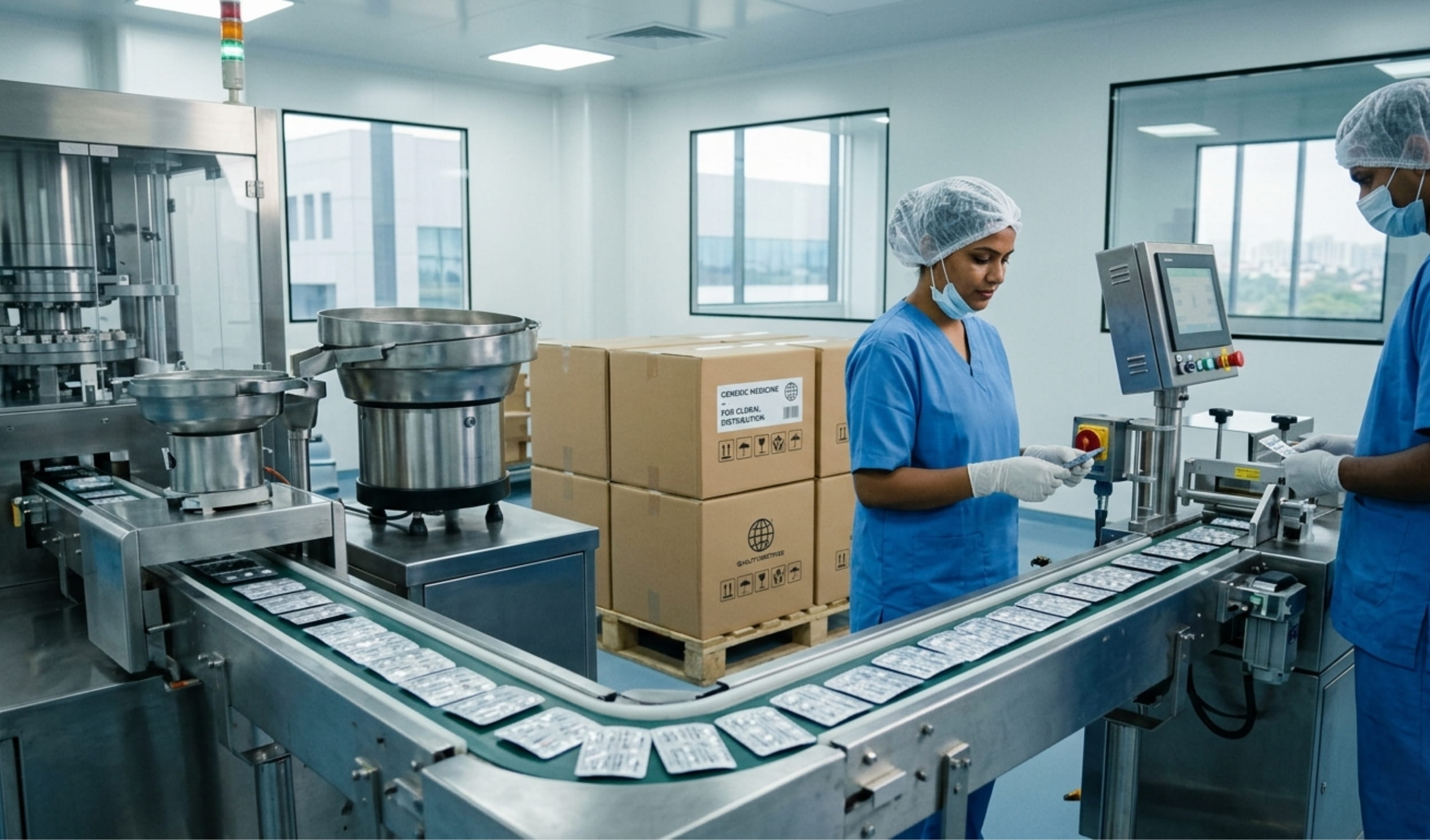
Quick Answer
Choosing a certified generic manufacturer is one of the most effective ways to ensure that medicines meet internationally accepted standards for quality, safety, and regulatory compliance. Certified manufacturers operate under stringent manufacturing protocols, undergo regular inspections, and maintain robust quality management systems to produce medicines that are consistent, effective, and suitable for global distribution.
For importers, distributors, hospitals, and government procurement agencies, partnering with a certified manufacturer reduces supply chain risks while supporting access to affordable, high-quality generic medicines.
Why certification matters
- Demonstrates compliance with internationally recognized manufacturing standards.
- Ensures consistent product quality across every production batch.
- Reduces the risk of contamination, manufacturing defects, and product recalls.
- Supports regulatory approvals for international markets.
- Builds trust among healthcare providers, distributors, and patients.
- Strengthens long-term supply chain reliability.
- Enables wider access to safe and affordable generic medicines worldwide.
Selecting the right pharmaceutical partner should involve evaluating certifications, manufacturing capabilities, regulatory experience, product quality systems, and export expertise rather than price alone
What Defines a Certified Generic Manufacturer in the Pharmaceutical Industry
Not every pharmaceutical manufacturer operates under the same level of regulatory oversight. A certified generic manufacturer is distinguished by compliance with internationally accepted quality management systems and pharmaceutical manufacturing standards.
These manufacturers undergo regular inspections by regulatory authorities and independent auditors to verify that their facilities, production methods, documentation, quality control procedures, and personnel training consistently meet established requirements.
Certification extends beyond possessing regulatory documents. It reflects an organization’s commitment to maintaining standardized manufacturing practices that minimize contamination risks, ensure product consistency, and protect patient safety.
Key characteristics of a certified manufacturer include:
- Documented quality management systems
- Qualified manufacturing facilities
- Validated production processes
- Strict raw material evaluation
- Comprehensive batch testing
- Product traceability
- Continuous employee training
- Ongoing regulatory compliance
By adhering to these standards, certified manufacturers can consistently produce medicines that meet therapeutic expectations while complying with international pharmaceutical regulations.
How a GMP Certified Medicine Supplier Ensures Safety, Quality, and Consistency
A GMP-certified medicine supplier follows Good Manufacturing Practices (GMP), a globally recognized framework designed to ensure medicines are produced under controlled conditions that prioritize quality and patient safety.
Good Manufacturing Practices govern every stage of production, from sourcing raw materials to packaging and final product release. Each process is documented, monitored, and validated to minimize variability and reduce the possibility of manufacturing defects.
Some of the core GMP requirements include:
- Controlled manufacturing environments
- Equipment qualification and maintenance
- Standard operating procedures (SOPs)
- In-process quality inspections
- Microbiological and chemical testing
- Comprehensive documentation for every production batch
- Corrective and preventive action (CAPA) systems
- Employee hygiene and training programs
Consistency is particularly important in pharmaceutical manufacturing. Every batch should deliver the same dosage strength, purity, stability, and performance as previous batches. GMP compliance helps achieve this level of uniformity through standardized manufacturing controls.
Regular internal audits and regulatory inspections further reinforce accountability, enabling manufacturers to identify areas for improvement while maintaining high production standards.
Why Global Buyers Prefer a WHO-GMP Certified Pharma Exporter in India
International pharmaceutical procurement requires confidence that products will meet both quality expectations and importing country regulations. This is one reason many healthcare organizations choose a WHO-GMP-certified pharma exporter in India.
WHO-GMP certification signifies adherence to manufacturing practices aligned with guidelines established by the World Health Organization. These standards are recognized across numerous international markets and provide buyers with greater assurance regarding manufacturing quality.
India has emerged as one of the world’s leading pharmaceutical manufacturing hubs due to several factors:
- Extensive manufacturing infrastructure
- Skilled scientific and technical workforce
- Strong regulatory experience
- Competitive production capabilities
- Wide range of generic formulations
- Established global export networks
For distributors, hospitals, government procurement agencies, and healthcare institutions, working with manufacturers that comply with WHO-GMP standards simplifies supplier evaluation and supports long-term procurement planning.
Many exporters also maintain additional international certifications based on the regulatory requirements of specific export destinations, allowing them to serve diverse healthcare markets across multiple regions.
Role of a Generic Medicine Exporter in Making Affordable Healthcare Accessible Worldwide
Generic medicines play a significant role in expanding access to healthcare by offering therapeutically equivalent alternatives to branded medications after patent expiration.
A generic medicine exporter helps bridge the gap between pharmaceutical manufacturing and healthcare systems across different countries. Through efficient supply chain management, regulatory documentation, and international distribution, exporters ensure essential medicines reach patients where they are needed.
Their responsibilities typically include:
- Coordinating international pharmaceutical shipments
- Meeting country-specific regulatory requirements
- Maintaining product documentation
- Supporting customs compliance
- Managing temperature-sensitive logistics where required
- Ensuring timely product availability
Reliable exporters also work closely with manufacturers, distributors, healthcare providers, and regulatory authorities to minimize supply disruptions and maintain consistent medicine availability.
This contribution is particularly valuable for low- and middle-income countries, where affordable generic medicines help strengthen healthcare programs while supporting improved patient outcomes.
Factors to Consider When Choosing a Pharmaceutical Manufacturing Partner
Selecting the right pharmaceutical supplier involves evaluating more than pricing alone. Organizations should assess several factors to determine whether a manufacturer can support long-term procurement needs.
Important considerations include:
- Manufacturing certifications and regulatory approvals
- Product quality assurance systems
- Export experience
- Production capacity
- Documentation support
- Supply chain reliability
- Product portfolio
- Pharmacovigilance practices
- Transparent communication
- Commitment to continuous quality improvement
Building partnerships based on quality, compliance, and reliability often leads to more sustainable pharmaceutical supply relationships than focusing solely on cost.
Frequently Asked Questions (FAQ)
What is a certified generic manufacturer?
A certified generic manufacturer is a pharmaceutical company that complies with recognized quality standards and regulatory requirements for producing generic medicines. Certification demonstrates adherence to established manufacturing and quality management practices.
Why is GMP certification important in pharmaceutical manufacturing?
GMP certification helps ensure medicines are manufactured consistently under controlled conditions, reducing the risk of contamination, manufacturing errors, and quality variations while supporting patient safety.
What does WHO-GMP certification indicate?
WHO-GMP certification signifies that a manufacturing facility follows Good Manufacturing Practice guidelines established by the World Health Organization, helping assure international buyers of consistent production quality.
Are generic medicines as effective as branded medicines?
Approved generic medicines are required to meet regulatory standards for quality, safety, and therapeutic equivalence. They contain the same active ingredients and are intended to provide comparable clinical benefits when used appropriately.
Why do international buyers choose Indian pharmaceutical exporters?
India is recognized globally for its large-scale pharmaceutical manufacturing capabilities, skilled workforce, regulatory expertise, and ability to supply a diverse portfolio of quality generic medicines to international markets.
Choosing the right pharmaceutical manufacturing partner is an important decision that directly affects medicine quality, regulatory compliance, and patient outcomes. Working with a reliable generic medicine exporter supported by internationally recognized manufacturing standards helps healthcare organizations build dependable supply chains while improving access to affordable medicines across global markets.
As demand for quality generic pharmaceuticals continues to grow, manufacturers that prioritize regulatory compliance, transparent quality systems, and continuous improvement will remain essential contributors to global healthcare. For distributors, healthcare providers, and procurement agencies alike, selecting certified partners is an investment in long-term reliability, consistent product quality, and greater confidence in every stage of the pharmaceutical supply chain.